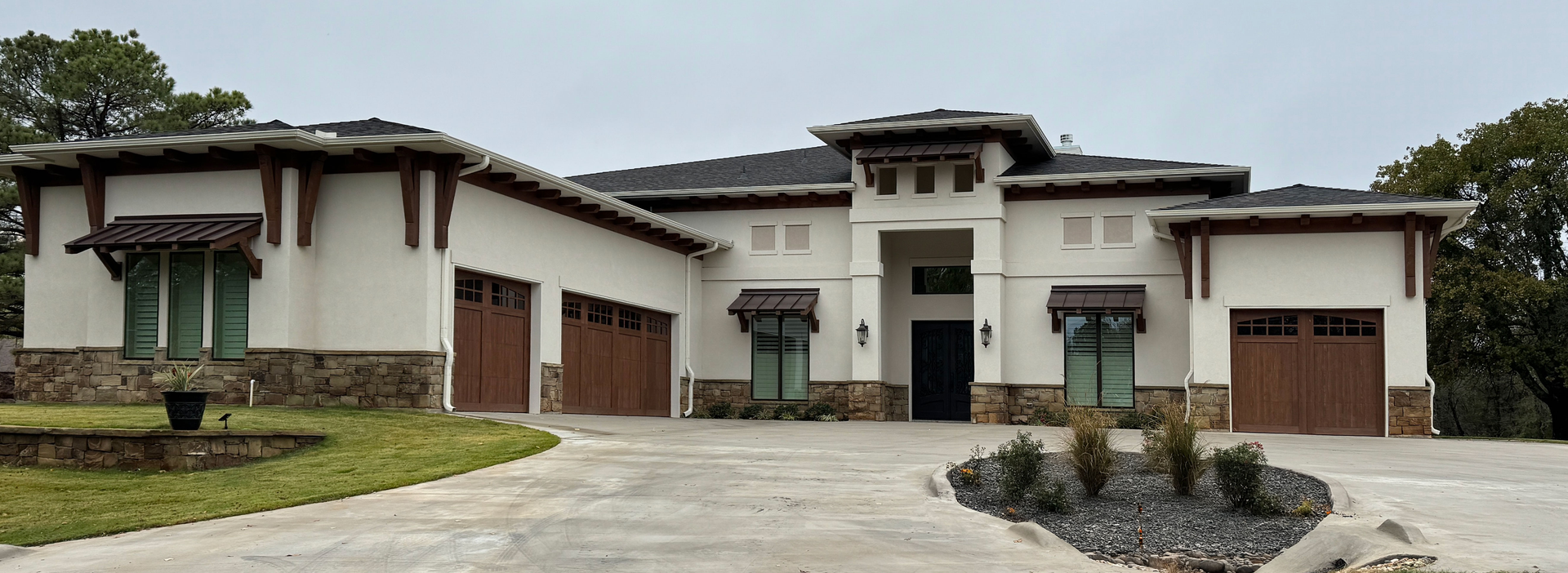
- Reputation. Work with an established builder (Village Green Custom Homes, Building Dreams Since 1982) who has a proven track record and satisfied clients.
- Local Expertise. Choose a builder familiar with your area. Local knowledge of codes, subcontractors, and weather conditions ensures smoother construction.
- Experience With Your Home Type. Select a builder experienced in homes within your price range and design style.
- Compatibility. Building a home is personal. Partner with a builder you feel comfortable with and trust.
- Financial Stability / Credit Worthiness. A builder’s financial health protects you. If a builder fails to pay subcontractors or suppliers, liens can be placed on your property—even if you’ve already paid the builder—leaving you responsible for those invoices. Proper vetting helps you avoid paying twice for the same work.
- Financial Strength. A financially successful builder is more likely to remain in business during your warranty period and can secure the best subcontractors and suppliers, ensuring quality workmanship.
Building a home is a complex process, and most owners benefit from professional guidance from the very beginning. Early involvement helps prevent costly mistakes in site selection, design, and specifications.
It’s important to remember that budget should not be the primary factor in choosing a builder. Accurate pricing for a custom or semi‑custom home can only be determined once the style, finishes, site conditions, and contract type are defined. Instead, focus on the builder’s competence, reputation, professionalism, warranty coverage, and experience.
